
- March 21, 2026
- Liz Potarazu
Featured in WSJ Off Duty: A Shift in How Empty Nesters Design Their Homes
I was recently featured in the The Wall Street Journal Off Duty section for a project that highlights a major shift in residential design:
Empty nesters are not downsizing. They’re redesigning their homes to support a bigger, more dynamic lifestyle.
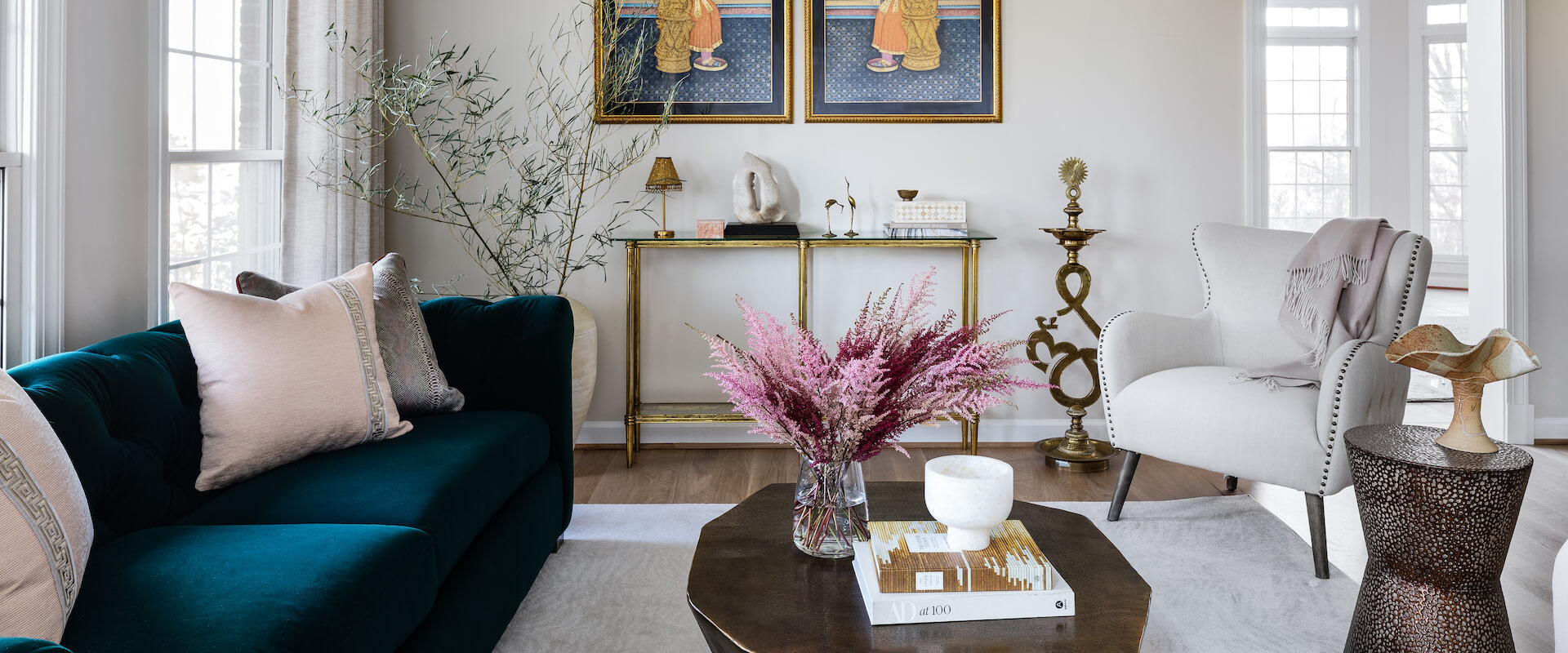
As an interior designer based in the Washington, DC metro area, I’m seeing this shift across nearly every empty nester project I take on. We’re changing how homes are designed for this stage of life.
Do Empty Nesters Downsize? Not Anymore.
If you’ve searched “do empty nesters downsize,” you’ve likely seen the same advice repeated over and over.
But in reality, today’s empty nesters are doing something very different.
They’re:
- Renovating instead of relocating
- Expanding or reworking their existing homes
- Investing in full-service interior design
- Creating spaces that support entertaining, hosting, and flexibility
Because while children may move out, family life doesn’t shrink. It evolves.
Expanding the Home to Support How Life Looks Now
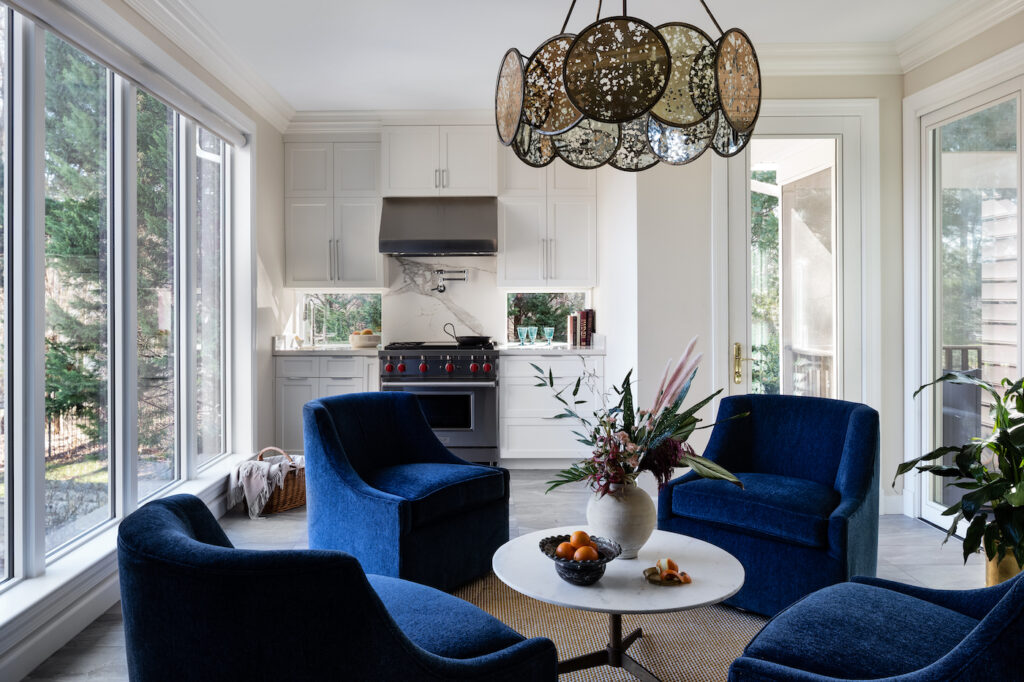
Interior Design for Empty Nesters: What Actually Matters
Designing for empty nesters is not about having less.
It’s about having exactly what you want and having it work beautifully.
Here’s what that looks like in practice:
1. Homes Designed for Entertaining and Family Visits
Adult children come back. Grandchildren visit. Holidays get bigger.
So the home needs to support that.
That means:
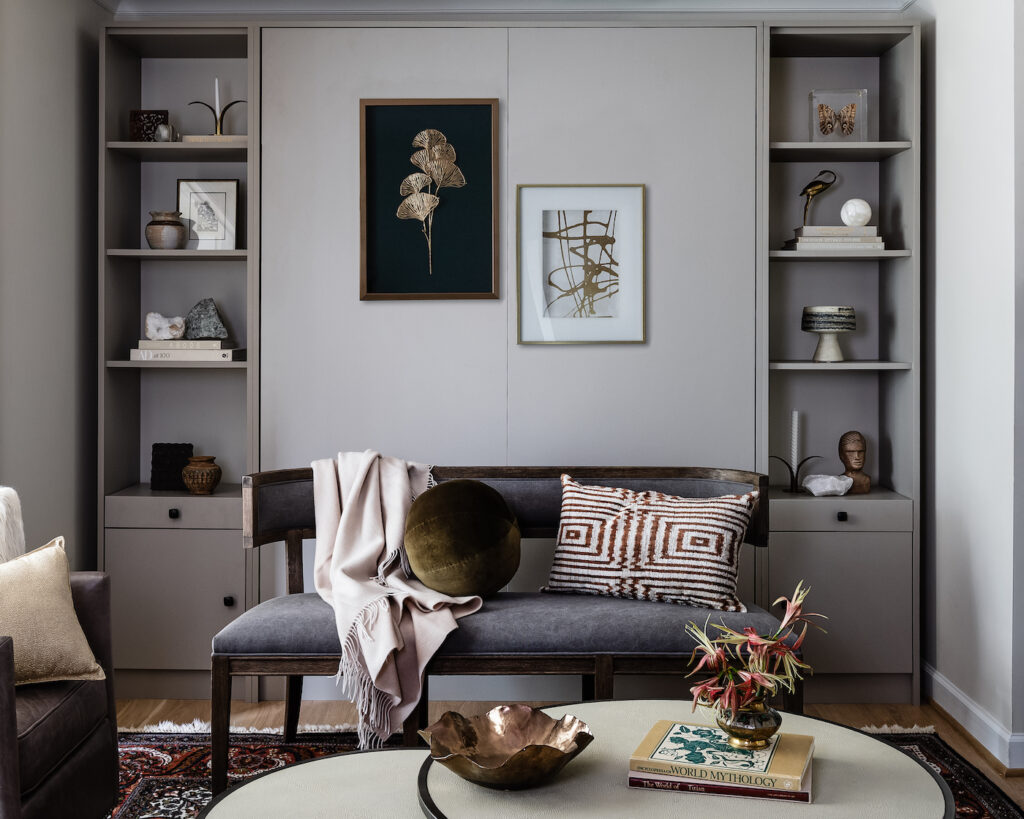
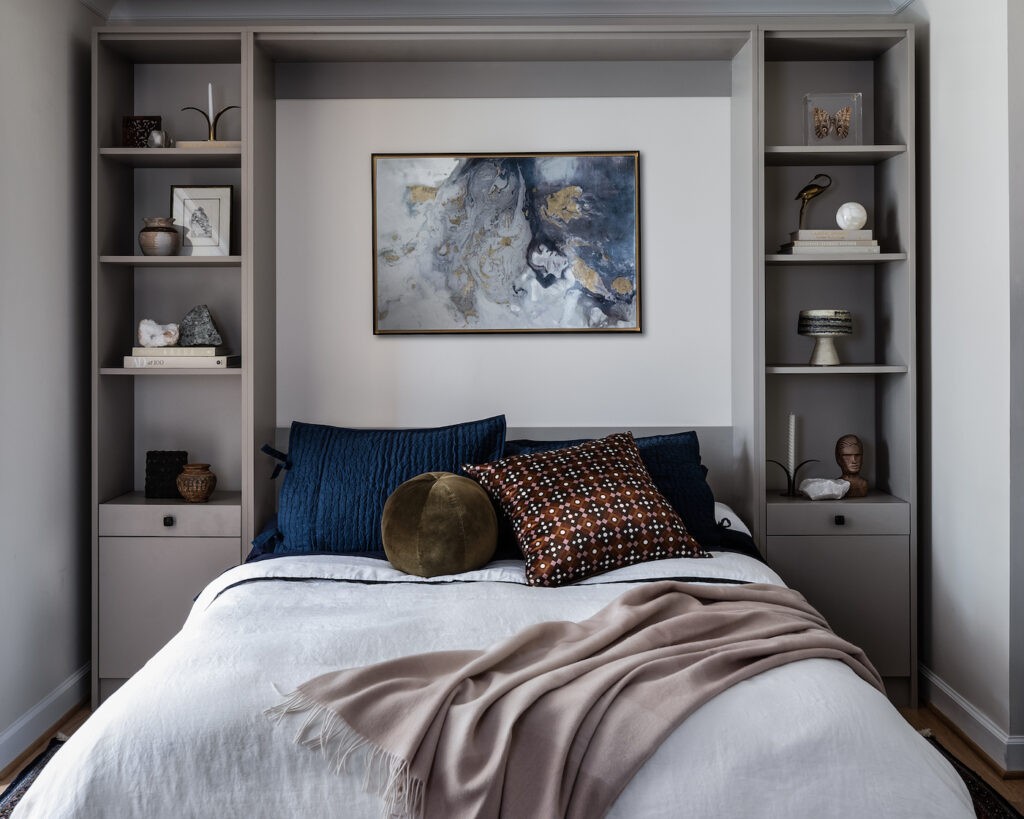
- Guest bedrooms that feel intentional and not like leftover spaces
- Living areas that can comfortably host
- Dining spaces that actually function for gatherings
These aren’t occasional needs, they’re core to how the home is used.
Designing Spaces That Flex With How You Live. This is where design shifts from being room-based to lifestyle-based.
2. Elevated Design That Still Performs
One of the biggest misconceptions is that durability matters less at this stage.
It doesn’t.
My clients still prioritize:
- Performance fabrics that can handle real use
- Finishes that are durable without feeling overly precious
- Smart storage for toys, bedding, and everything that comes with hosting
The goal is a home that feels elevated but lives easily.
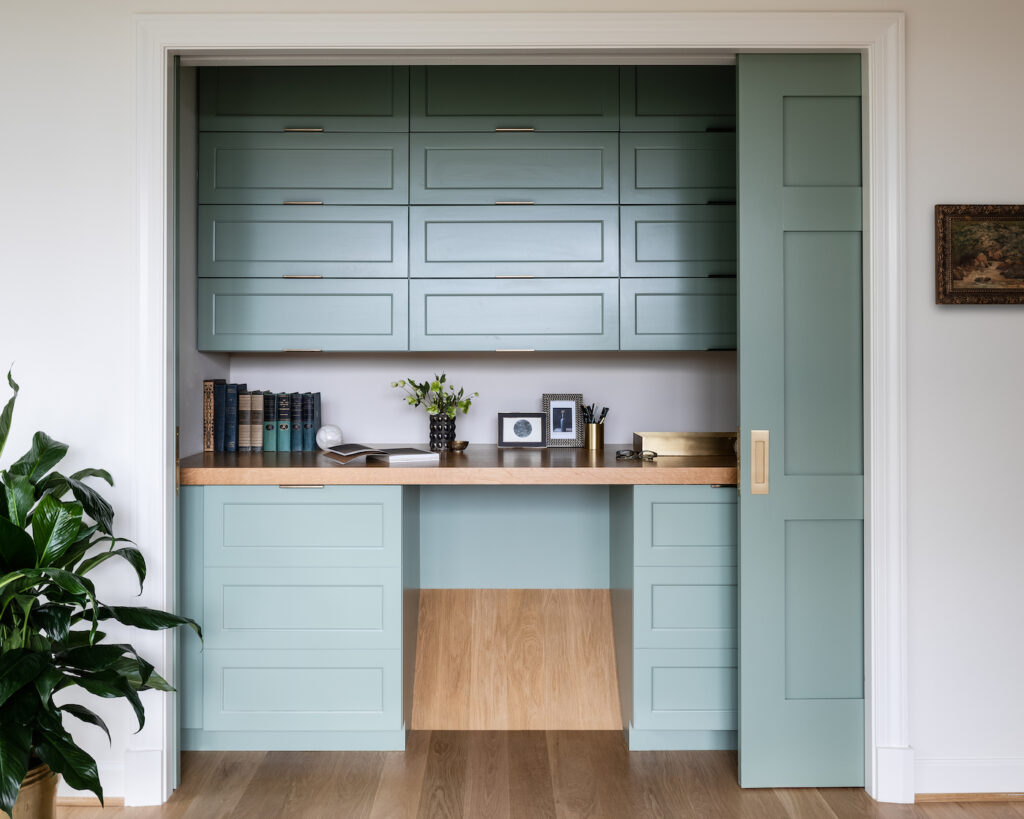
3. Flexible Spaces That Work for Real Life
A well-designed empty nester home needs to support multiple ways of living at once:
- Quiet, everyday routines
- Work-from-home setups
- Entertaining and hosting
- Overnight stays from family
Rooms should flex seamlessly without feeling like they’re constantly being rearranged.
That’s where thoughtful space planning becomes critical.
4. The Freedom to Get It Exactly Right
This is a client who knows what they want.
They’ve lived in their home. They understand what works and what doesn’t.
Which means:
- They make more confident decisions
- They invest in quality
- And they’re willing to refine things until it feels right
There’s less compromise and better results because of it.
Why Empty Nesters Are Expanding Instead of Downsizing
From a design perspective, this is the real shift:
Empty nesters are no longer designing around daily childcare needs.
They’re designing around lifestyle, hosting, and long-term enjoyment.
This is exactly the type of shift highlighted in my recent feature in The Wall Street Journal, where the focus wasn’t on downsizing, but on rethinking how the home functions.
That often means:
- Staying in their current home and improving it
- Expanding key living spaces
- Investing in furnishings that elevate everyday life
Because this phase isn’t about scaling back.
It’s about finally creating a home that reflects who you are now.
This isn’t about trends or resale value. It’s about living in a space that works hard for you, supports your rhythms, and finally feels like it fits.
If you’re circling the idea, it’s probably time to start. Consider this your sign.
Working with an Interior Designer as an Empty Nester
This stage of life is one of the most impactful times to invest in your home and where a thoughtful, full-service interior design approach can make all the difference.
A well-designed space should:
- Feel effortless to live in
- Support both quiet moments and full houses
- Look elevated without feeling untouchable
- Function just as well for two people as it does for ten
That level of balance doesn’t happen by accident.
It’s designed.
The Bottom Line
If you’re an empty nester wondering whether you should downsize, the better question is:
Does your home support the way you actually live today?
For many people, the answer isn’t to go smaller.
It’s to design smarter.
For many of my clients, this starts with realizing their home no longer matches how they live today.
You don’t need less space. You need a home that works for how you live now.
And a plan to get it right.
If you’re ready to rethink your home in this next phase, schedule your 15-minute Discovery Call